Change Is Hard at First but Worth It in the End

Change rarely arrives feeling inspiring. More often, it shows up as a hard conversation, a new routine that feels awkward, a door closing, or a quiet sense that life cannot keep going the same way.
At first, change feels heavy because it asks for payment before it offers proof. It asks for courage before comfort. It asks for trust before results.
That is why so many people turn back early. Not because they are weak, but because the first stage of change can feel like failure. The truth is simpler and kinder: the discomfort is often part of the process, not a sign that something has gone wrong.

The beginning feels hard because the old way is familiar
Even when an old habit, job, relationship pattern, or mindset no longer serves us, it still has one advantage: it is known.
The familiar can feel safe, even when it is painful. A predictable problem often feels easier than an uncertain improvement. That is one reason change can feel so threatening.
Starting over means facing questions like:
What if this does not work?
What if I am not ready?
What if people do not understand?
What if I miss the old version of my life?
These questions are normal. They do not mean the change is wrong. They mean the mind is trying to protect itself from risk.
The early stage is also where motivation tends to be shaky. A person may feel excited one day and doubtful the next. That does not make the decision less valid. Feelings often need time to catch up with choices.
The first step does not have to feel confident. It just has to be honest.
The messy middle is where most people underestimate the work
The middle of change can be the most confusing part. The beginning has energy. The ending has reward. The middle has loose ends.
This is where progress may look uneven. One week feels strong. The next feels like a setback. A new routine gets interrupted. A boundary gets tested. A goal that once felt clear starts to feel complicated.
That messiness has a purpose. It reveals what the change actually requires.
For example, deciding to live healthier may begin with buying better food or going for a walk. The middle is different. The middle asks someone to plan around stress, boredom, family habits, sleep, cravings, and busy days.
That is where real growth happens. Not in the announcement. Not in the perfect plan. In the repeated choice to return after things get imperfect.

Mess does not mean failure. It often means the old system is being replaced by a new one.
A few signs that the middle is working, even if it feels rough:
You notice old patterns faster than before.
You recover from setbacks with less shame.
You ask better questions.
You stop needing everything to look perfect.
You begin choosing what is healthy over what is familiar.
These signs may feel small, but they matter. Change is not only measured by visible results. It is also measured by the person being formed along the way.
Resistance does not always mean stop
Resistance is part of almost every meaningful change. The body wants comfort. The mind wants certainty. The heart may grieve what is being left behind.
That grief can surprise people. A good change can still come with sadness.
Leaving a draining job might bring relief and fear. Ending an unhealthy pattern may still feel lonely. Moving to a better place may include missing the old neighborhood. Becoming more disciplined may feel like losing ease.
This is why resistance needs to be listened to, not automatically obeyed.
Some resistance is useful. It may point to a real concern that needs care. Maybe the pace is too fast. Maybe more support is needed. Maybe the goal needs adjustment.
Other resistance is simply fear trying to keep everything the same.
A helpful question is this:
Is this discomfort warning me of real harm, or is it asking me to grow?
That question creates space. It helps separate wisdom from fear.
Small choices make change less overwhelming
Big life changes can feel too large to carry all at once. The answer is not always more willpower. Often, the answer is a smaller next step.
A person changing careers does not need to solve the next 10 years in one night. They might update a resume, talk to someone in the field, or take one class.
Someone rebuilding trust does not need to repair everything in one conversation. They might tell the truth once, keep one promise, or listen without defending.
Someone trying to become more peaceful does not need to become calm forever. They might pause before responding, take a walk, or go to bed on time.
Small choices matter because they build evidence. Each one says, “I can do this.” Not perfectly. Not all at once. But steadily.

The best small steps are clear and repeatable.
Try asking:
What can I do today that supports the person I am becoming?
What is one choice I can make even on a hard day?
What support would make this easier to continue?
What old pattern needs less power over my decisions?
The goal is not to remove all struggle. The goal is to make progress possible inside real life.
The reward often arrives quietly
Many people expect the reward of change to feel dramatic. Sometimes it does. More often, it arrives quietly.
One day, the hard thing feels less hard. The old trigger does not control the whole day. The new habit feels normal. The decision that once felt terrifying now feels like a turning point.
This is the part people rarely see from the outside. They see the result, but not the private work. They see the confidence, but not the nights of doubt. They see the peace, but not the awkward middle that made it possible.
The reward is not only a better outcome. It is a stronger relationship with yourself.
You learn that you can survive discomfort. You learn that confusion does not have to stop you. You learn that a messy season can still be a meaningful one.
That is why Change Is Hard at First but Worth It in the End is more than a hopeful phrase. It is a pattern many people live through again and again.
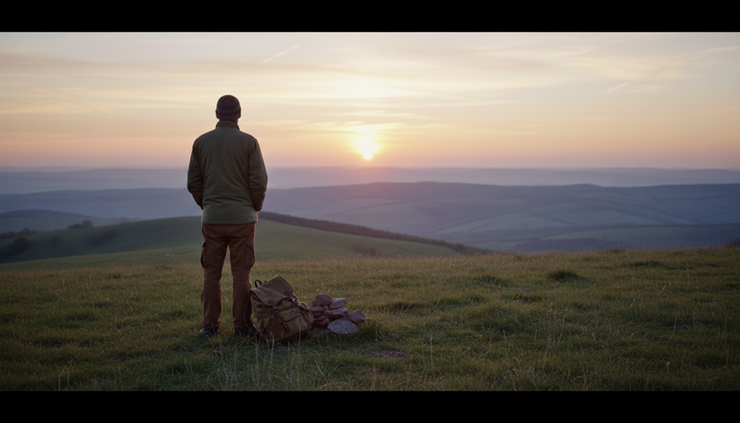
Keep going when the process feels unfinished
If change feels hard right now, that does not mean you chose wrong. If it feels messy, that does not mean you are failing. If you cannot see the reward yet, that does not mean it is not coming.
Stay with the next honest step. Return after setbacks. Let the old version of life loosen its grip. Give the new version time to take shape.
Change asks a lot in the beginning. It tests patience in the middle. But if the change is rooted in truth, growth, and a better way forward, the end can bring something worth the struggle: a life that fits better, feels freer, and reflects who you are becoming.


Comments